
What Are the Different Types of Asbestos Testing
Asbestos can be difficult to identify simply by looking at a building material. Older homes, commercial buildings and renovations can contain asbestos in products such as cement sheeting, roofing, flooring, insulation and other building materials. Testing can help determine whether a suspected material contains asbestos and whether an area is safe after asbestos removal work. However, asbestos testing is not one single process. Different types of testing are used for different situations. Understanding the difference can help homeowners, renovators, landlords and businesses know what type of assessment may be appropriate before disturbing suspected asbestos.
1. Asbestos Material Sampling
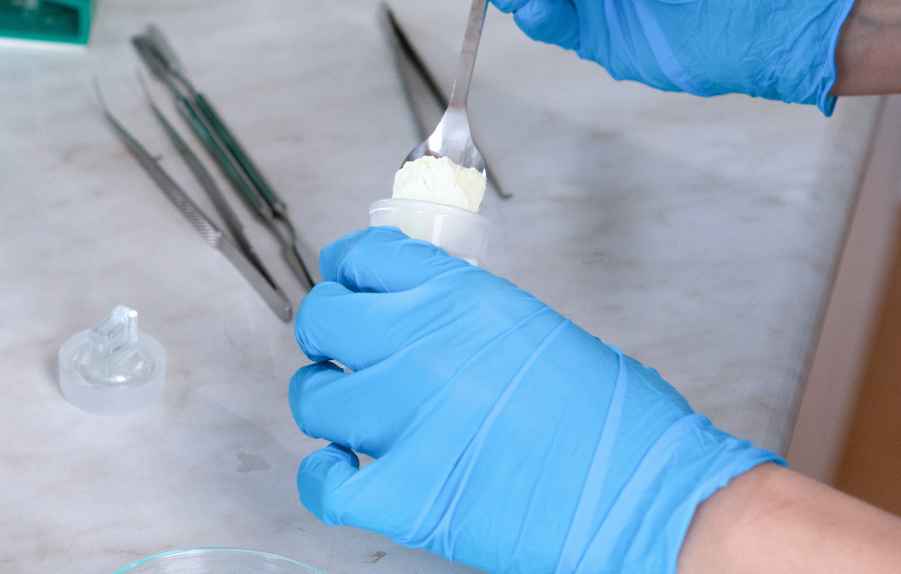
Material sampling is one of the most common forms of asbestos testing. A small sample is taken from a material suspected of containing asbestos and sent to a laboratory for analysis. The purpose is straightforward: to determine whether asbestos is present in the material. This may be appropriate when you are dealing with suspected asbestos in:
- Wall or ceiling sheeting
- Eaves and fascia
- Roofing materials
- Vinyl flooring and backing
- Fencing
- Water tanks or other cement products
- Insulation or other building materials
Queensland guidance states that suspected asbestos materials should be sampled by a competent person and analysed by an appropriately accredited laboratory. It is important not to take samples yourself unless you have the appropriate knowledge and equipment. Sampling can disturb the material and potentially release fibres.
2. Asbestos Surveys and Inspections
An asbestos survey is broader than testing a single piece of material. It involves inspecting a property or workplace to identify materials that may contain asbestos. This can be particularly useful before:
- Renovation or refurbishment
- Demolition
- Major repairs
- Purchasing or managing an older property
- Maintenance work that could disturb building materials
An inspection may identify several areas that require sampling. In some situations, materials may be presumed to contain asbestos rather than sampled immediately. For workplaces, Queensland guidance recognises an asbestos survey as one way of identifying asbestos-containing materials. A survey can therefore help provide a bigger picture rather than answering a question about only one material.
3. Air Monitoring for Asbestos Fibres
Material testing tells you whether asbestos is present in a product. Air monitoring answers a different question: whether asbestos fibres are airborne in the area being monitored. During air monitoring, air is sampled and analysed to determine the concentration of airborne fibres. Queensland guidance identifies three main forms of air monitoring:
- Exposure monitoring: assesses a person’s potential exposure to airborne asbestos fibres.
- Control monitoring: checks whether control measures are effectively controlling airborne fibres during work.
- Clearance monitoring: checks airborne fibre levels after asbestos removal work has been completed and the area has been decontaminated.
Air monitoring is particularly important during certain types of asbestos removal work. For example, it is mandatory for Class A friable asbestos removal in Queensland. Air samples should be analysed by a laboratory accredited for the relevant testing method.
4. Asbestos Clearance Testing
Clearance testing or a clearance inspection is carried out after licensed asbestos removal work to determine whether the work area is safe for normal use. This is different from testing a piece of asbestos-containing material. A clearance inspection includes a visual inspection of the removal area and surrounding area. Depending on the circumstances, air monitoring may also form part of the clearance process. A clearance certificate can only be issued when the assessor or competent person is satisfied that the area is free from visible asbestos contamination and, where air monitoring is conducted, the relevant fibre concentration requirements have been met. For Class A removal work, an independent licensed asbestos assessor is required to carry out the clearance inspection. For Class B removal work, an independent competent person is required.
5. Testing After Accidental Damage or Disturbance
Testing may also be considered when suspected asbestos has been accidentally damaged or disturbed. For example, a renovation project may uncover old wall sheeting, a roof sheet may break during maintenance, or flooring may be damaged during a refurbishment. In these situations, testing can help determine what the material is and what steps are appropriate before further work continues. If the material has already been damaged, avoid disturbing it further. Keep people away from the area and obtain professional advice about sampling, containment and any required removal.
Why Is Professional Asbestos Testing Important
There are several reasons not to rely on appearance alone. Asbestos-containing materials can look very similar to non-asbestos products. Queensland guidance specifically notes that it can be difficult to identify asbestos by sight and that laboratory analysis is the way to confirm its presence. Professional assessment can also help determine whether more than one material needs to be tested. A property may contain asbestos in several different locations, and testing one material does not automatically confirm that other materials are asbestos-free. It is also important to use an appropriate laboratory. Queensland guidance recommends NATA-accredited laboratories for asbestos material analysis using the relevant test method.
Which Type of Asbestos Testing Do You Need
The right type of testing depends on what you are trying to establish. If you want to know whether a particular building material contains asbestos, material sampling and laboratory analysis may be appropriate. If you want to identify where asbestos may be present throughout a property, an asbestos inspection or survey may be more suitable. If asbestos removal work is taking place and there is a concern about airborne fibres, air monitoring may be required or recommended depending on the work. If removal has been completed and you need to determine whether the area is safe for normal use, a clearance inspection may be required. The requirements can vary depending on whether the property is residential, commercial or another type of workplace, and whether the material is friable or non-friable.
Final Thoughts
Asbestos testing can involve much more than sending one sample to a laboratory. Material sampling, asbestos surveys, air monitoring and clearance inspections each have different purposes. If you are planning renovation, demolition or repairs in an older Queensland property and are unsure whether asbestos is present, getting professional advice before disturbing suspected materials can help you choose the appropriate testing approach.
We can assist with asbestos assessment, testing, licensed removal and compliant disposal across Brisbane. Contact us with your location, details of the suspected material and photos where available to discuss the next step.