
Asbestos Removal Sunshine Coast: Costs, Rules and Timeframes
Asbestos can be found in many older homes, commercial buildings and structures across the Sunshine Coast. Common locations include roofing, wall sheeting, eaves, fences, garages and other building materials. While asbestos can remain relatively safe when it is intact and undisturbed, damaged or disturbed asbestos can release hazardous fibres into the air.
If you are planning renovations, demolition, repairs or property maintenance, it is important to understand the requirements before work begins. Asbestos removal Sunshine Coast services should be carried out using appropriate safety procedures, equipment and disposal methods. Understanding potential costs and timeframes can also help property owners plan the work properly.
Where Asbestos May Be Found on the Sunshine Coast
Asbestos was widely used in Australian building products for many decades because it was durable, fire-resistant and relatively inexpensive. Homes and buildings constructed or renovated before the mid-1980s have a greater chance of containing asbestos-containing materials, although asbestos products may also be present in some later structures. Common locations where asbestos-containing materials may be found include:
- Roof sheets and roofing components
- External wall cladding
- Internal wall and ceiling sheets
- Eaves and soffits
- Fencing and boundary structures
- Garages, sheds and other outbuildings
- Flooring materials and some adhesives
- Pipe insulation and other building components
The appearance of asbestos-containing materials can vary, and it is not always possible to identify asbestos simply by looking at it. Where there is uncertainty, professional assessment or appropriate sampling may be required before work proceeds.
Asbestos Removal Sunshine Coast: Understanding the Costs
The cost of asbestos removal on the Sunshine Coast can vary considerably depending on the type, quantity and location of the material. A small amount of accessible asbestos sheeting can require a very different approach from a larger project involving roofing, demolition or difficult site access. Several factors can influence the overall cost of an asbestos removal project, including:
- Amount of asbestos-containing material
- Type and condition of the material
- Whether the asbestos is bonded or friable
- Location and accessibility of the material
- Height and access requirements
- Preparation and containment requirements
- Labour and equipment required
- Air monitoring or clearance requirements where applicable
- Transport and disposal fees
- Whether additional demolition or reinstatement work is required
For this reason, a professional assessment and site-specific quotation are generally more useful than relying on a standard per-square-metre price. A quotation should clearly explain what is included in the removal service and whether disposal, documentation, cleaning and other associated requirements are included. Property owners should also confirm that the contractor is appropriately licensed for the type of asbestos work being undertaken. Asking for a clear breakdown of the proposed work can help avoid misunderstandings about additional costs later.
Rules for Asbestos Removal in Queensland
Queensland has specific requirements governing asbestos removal and workplace safety. The requirements can depend on factors such as the type and quantity of asbestos, whether the material is non-friable or friable, and whether the work is being carried out at a workplace or residential property.
1. Licensed Asbestos Removal
Licensed asbestos removalists may be required for certain types and quantities of asbestos removal. Friable asbestos presents a higher risk because the material can more easily release airborne fibres and is subject to stricter controls. For larger quantities of non-friable asbestos, licensing requirements can also apply. Before arranging removal, it is important to determine what type of asbestos is present and how much material is involved.
2. Safe Work Practices
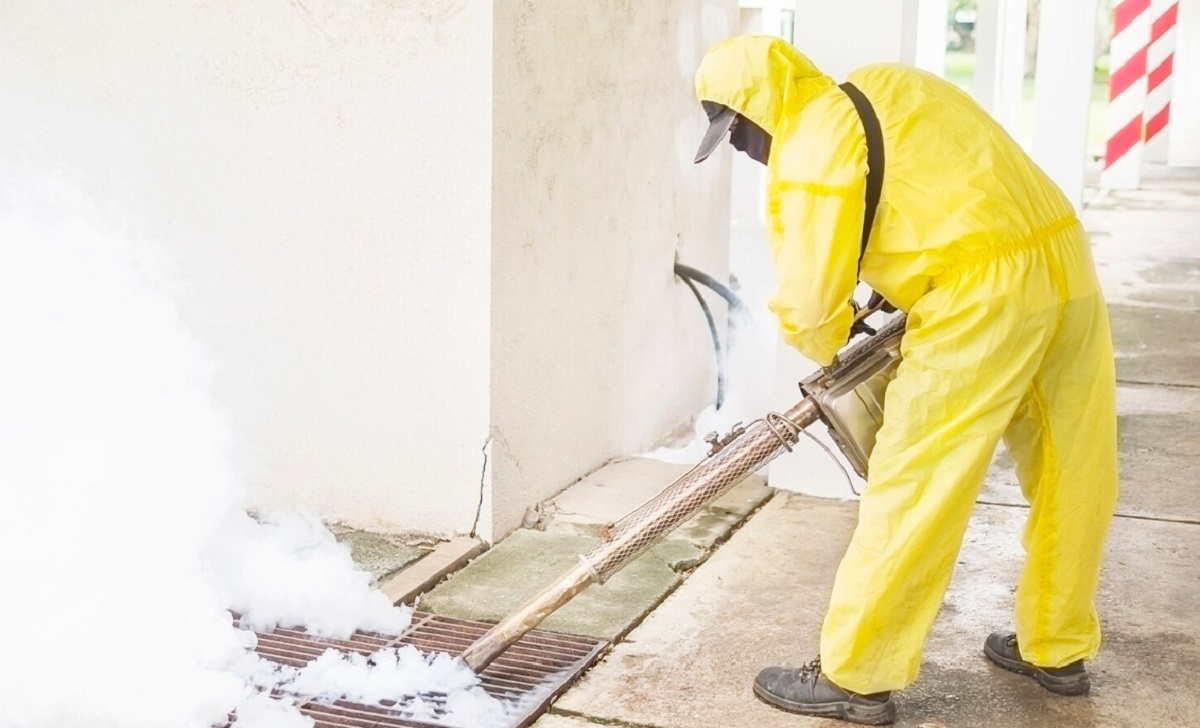
Asbestos removal should be planned carefully to minimise the risk of fibres becoming airborne or contaminating surrounding areas. Depending on the project, this can involve controlled work areas, appropriate personal protective equipment, dust suppression, careful removal techniques and suitable cleaning procedures. Workers should also follow applicable Queensland workplace health and safety requirements. Property owners should avoid disturbing suspected asbestos themselves, particularly if the material is damaged or likely to be broken during renovation or demolition.
3. Asbestos Waste and Disposal
Removing asbestos is only part of the process. Asbestos-containing waste needs to be handled, packaged, transported and disposed of appropriately to help prevent exposure and environmental contamination. Property owners should confirm that asbestos disposal is included in their contractor’s quotation and that waste is being taken to an appropriate facility. Keeping removal and disposal documentation can also be useful for property records and future renovation or sale activities.
How Long Does Asbestos Removal Take
The timeframe for asbestos removal on the Sunshine Coast depends on the size and complexity of the project. A small residential job involving accessible bonded asbestos may be completed relatively quickly, while larger or more complicated projects can require considerably more preparation and work.
A small project, such as removing a limited quantity of asbestos-containing sheeting from an accessible area, may be completed within a day once the necessary arrangements have been made. However, the physical removal itself is only one part of the process. Preparation, site controls, transport and disposal also need to be considered when planning the project.
Larger jobs may require additional planning, equipment, workers and safety controls. Projects involving extensive roofing, difficult access, commercial premises or friable asbestos can take longer. The timeframe may also depend on:
- Initial inspection or assessment
- Laboratory testing where required
- Availability of licensed removalists
- Site preparation
- Required notifications or documentation
- Weather and site conditions
- Waste transport and disposal arrangements
- Clearance procedures where applicable
It is therefore advisable to allow sufficient time between identifying asbestos and starting renovation or demolition work.
What Happens During Professional Asbestos Removal
A professional asbestos removal project generally starts with an assessment of the material and the work area. The contractor can determine the type and extent of work required and identify any access, containment or safety considerations before removal begins. The removal process may then involve establishing controls around the work area, using appropriate protective equipment and carefully removing the asbestos-containing materials. The materials should be handled and packaged appropriately to prevent contamination during transport. Following removal, the work area should be cleaned and managed in accordance with the applicable requirements. Depending on the nature of the project, additional inspection, air monitoring or clearance procedures may be required before the area is returned to normal use.
Choosing an Asbestos Removalist on the Sunshine Coast
Choosing the right contractor is an important part of managing an asbestos project. Property owners should look for a contractor with the appropriate experience and licensing for the work required.
Before accepting a quotation, consider asking:
- Is the contractor appropriately licensed for the proposed work?
- What type of asbestos removal is covered by the quotation?
- Is asbestos waste disposal included?
- What preparation and containment measures will be used?
- What documentation will be provided after completion?
- Are additional clearance or testing requirements included?
- How long is the expected project timeframe?
It is also useful to provide photographs, property details and information about the planned renovation or demolition when requesting an assessment. More information can help the contractor understand the project before attending the site.
Planning Asbestos Removal Before Renovation
If you suspect asbestos may be present, avoid drilling, cutting, sanding, breaking or otherwise disturbing the material until it has been properly assessed. Renovation work can unintentionally damage asbestos-containing products and create additional risks. Planning asbestos removal early can also help prevent delays to other trades. Once the asbestos has been safely removed and any required clearance processes have been completed, renovation, construction or demolition work can continue with fewer unexpected interruptions. For Sunshine Coast property owners, understanding the costs, rules and timeframes for asbestos removal is an important part of responsible property maintenance. A site-specific assessment from an appropriately licensed professional can help determine the safest and most practical approach for the project.
Final Thoughts
Understanding Asbestos Removal Sunshine Coast: Costs, Rules and Timeframes can help property owners plan renovation, demolition and maintenance work more safely while reducing the risk of unexpected delays. Asbestos should not be disturbed without first considering the potential risks and applicable requirements. Because every property and removal project is different, the actual cost and timeframe will depend on the type and quantity of material, its location, site access and the work involved.
If you suspect asbestos on your Sunshine Coast property, Pro Asbestos Disposal can help arrange professional asbestos assessment and removal services. Contact our team to discuss your requirements, provide details about the property and obtain a tailored quotation for your asbestos removal project.